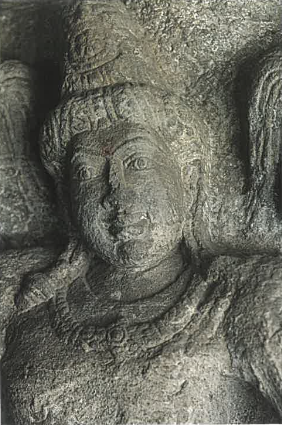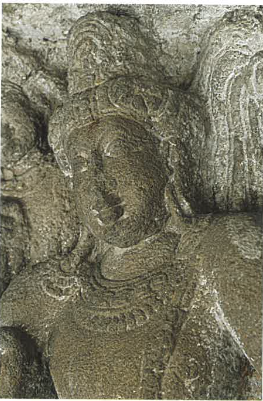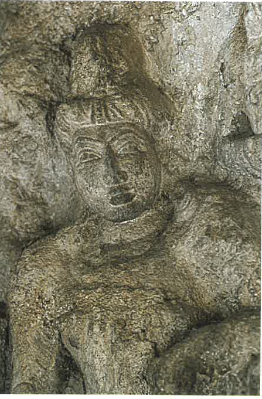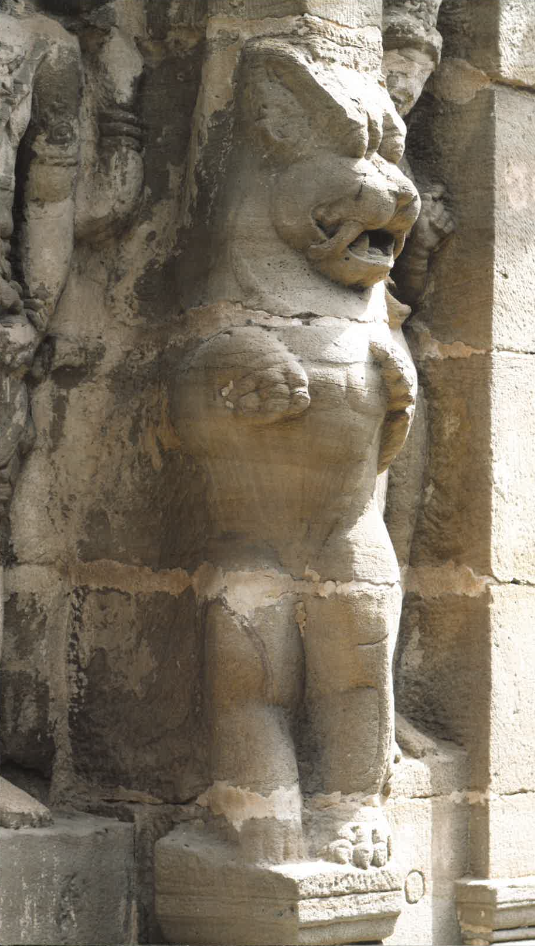
| Vyūha | Forms |
|---|---|
| Vasudeva Vyūha | Keśava, Nārāyaṇa, Mādhava |
| Saṁkarṣana Vyūha | Govinda, Viṣṇu, Madhusūdana |
| Pradyumna Vyūha | Trivikrama, Vāmana, Śrīdhara |
| Aniruddha Vyūha | Hṛsikeśa, Padmanabha, Dāmodara |
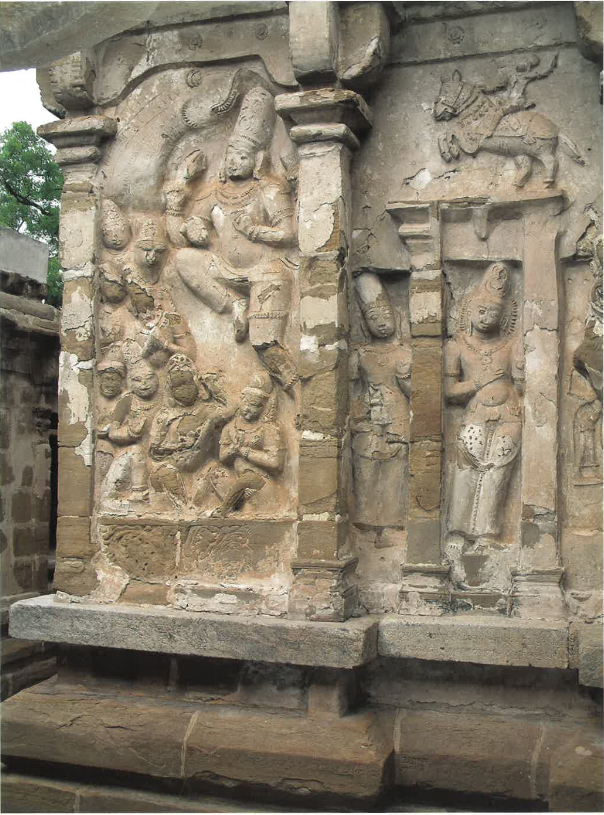
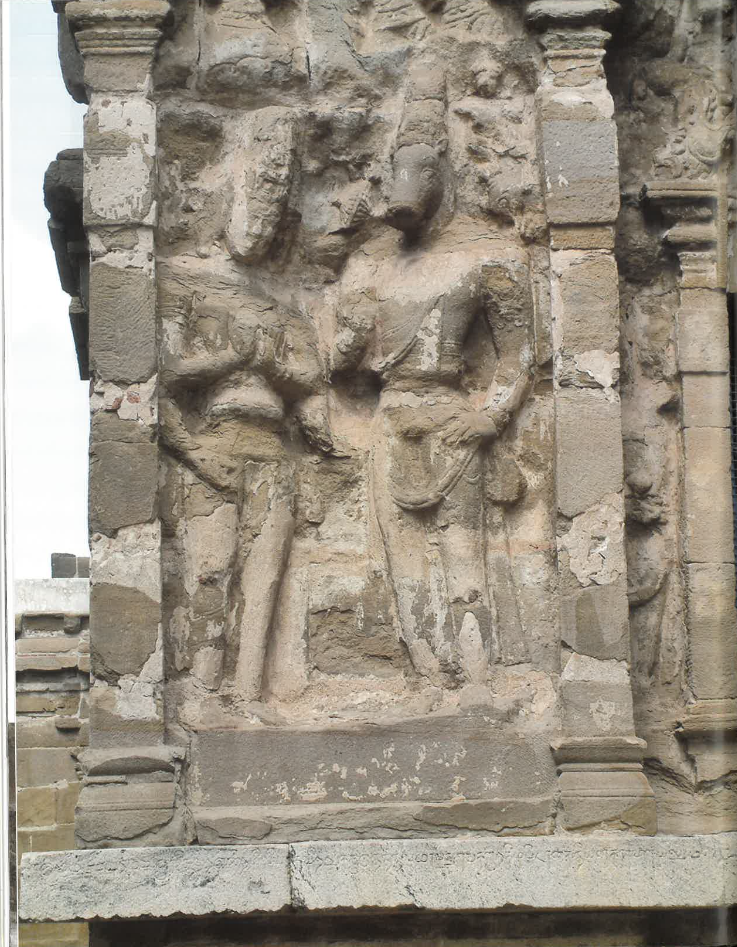
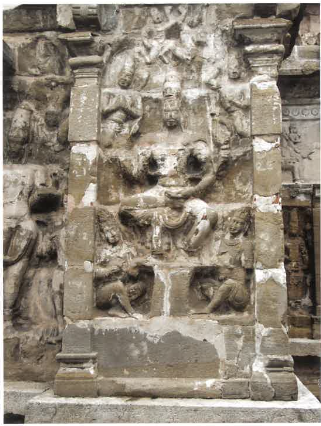
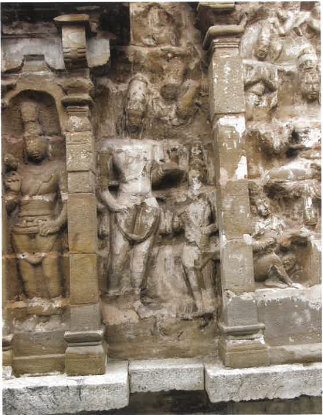
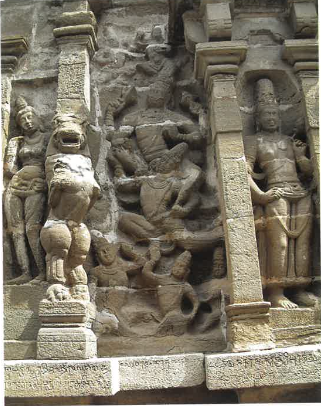
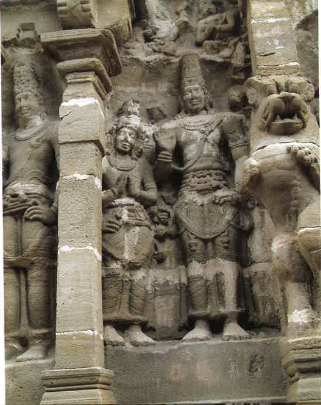
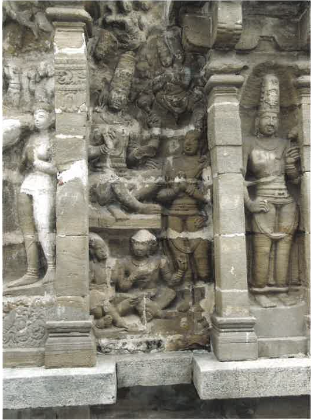
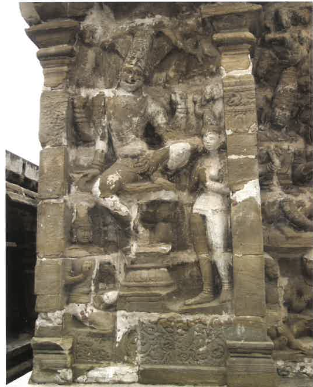
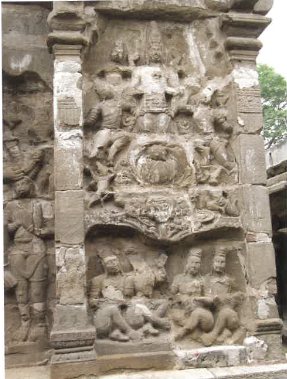
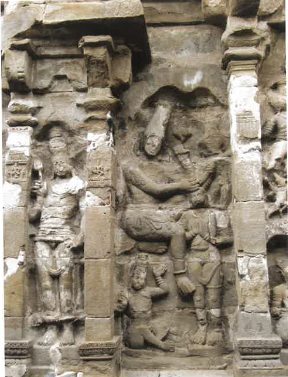
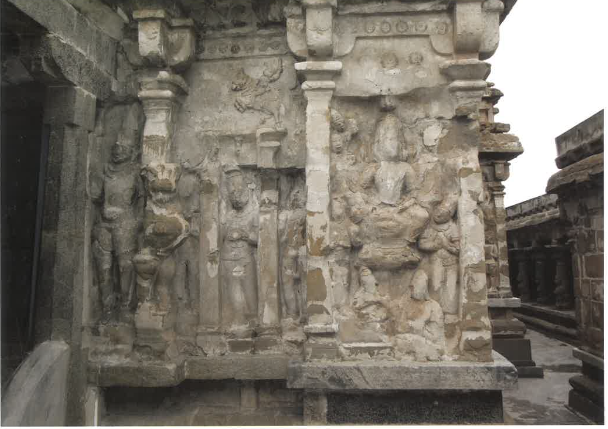
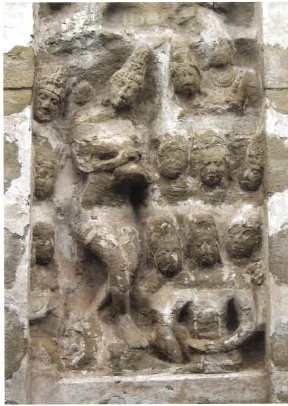
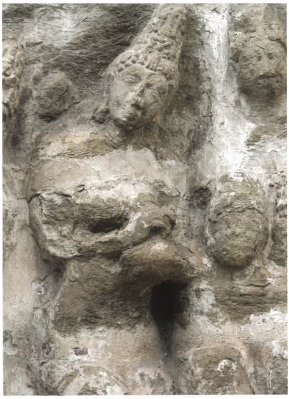
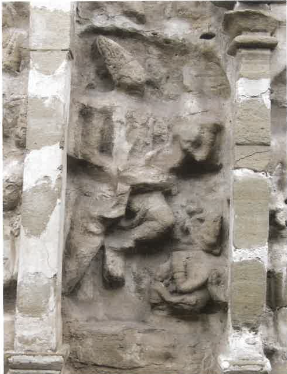
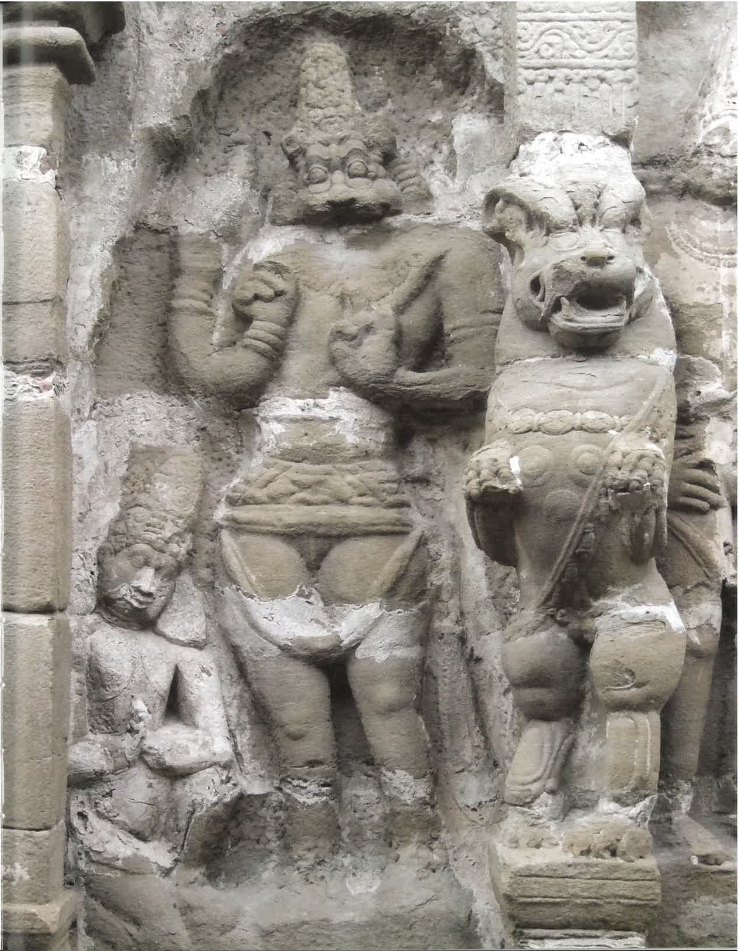
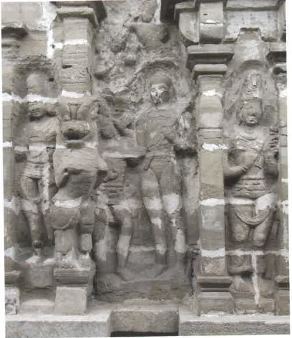
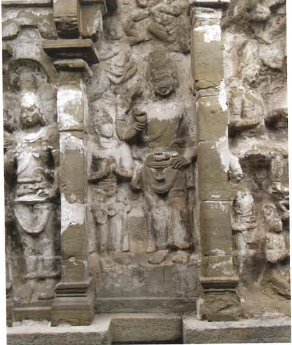
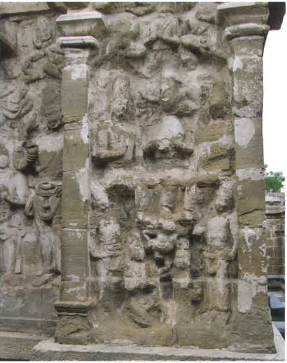
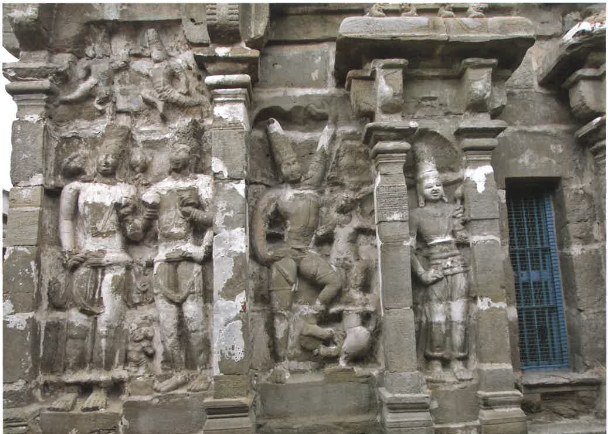
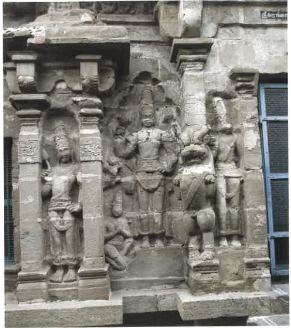
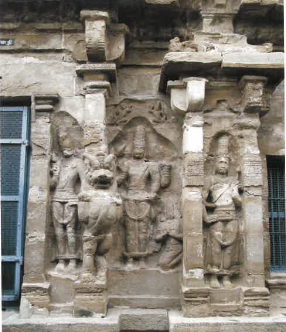
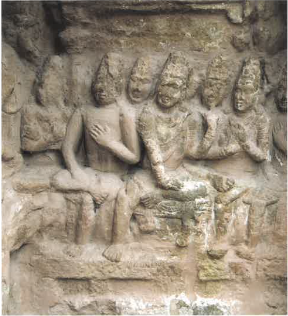
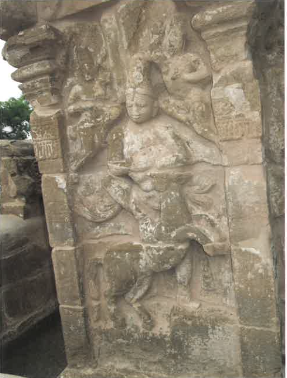
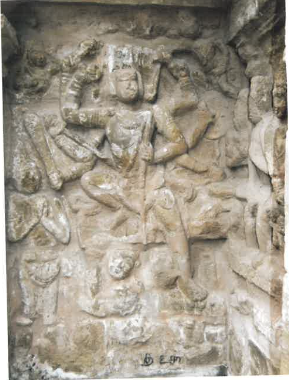
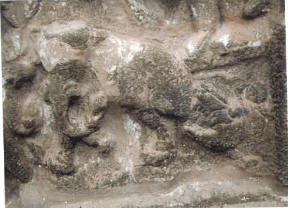
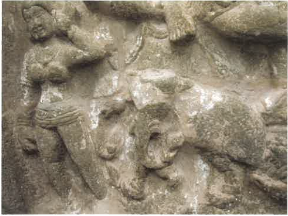
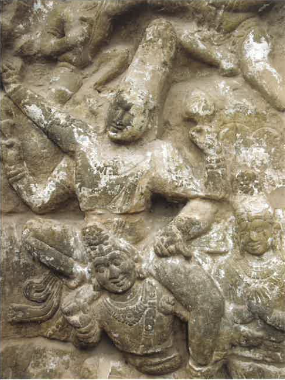
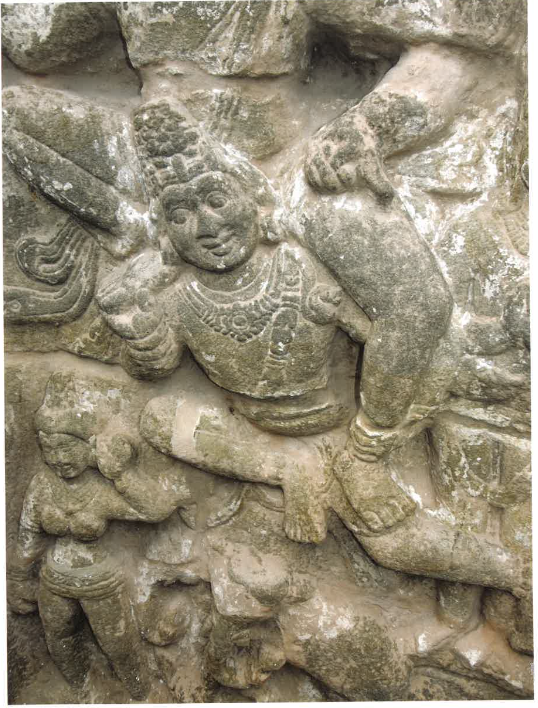
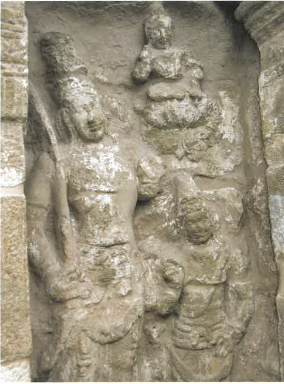
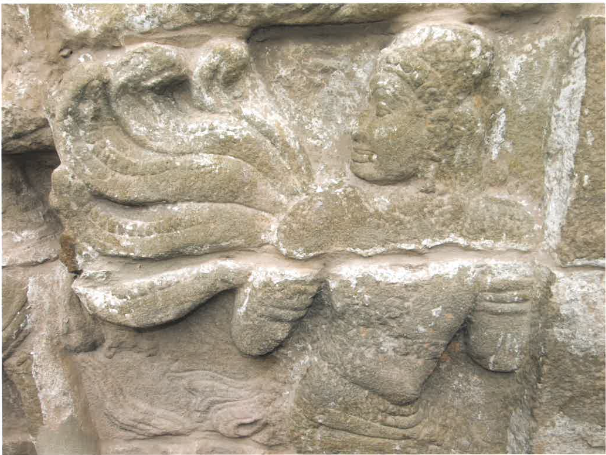
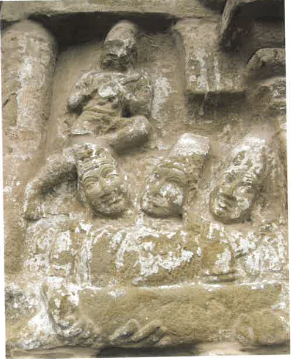
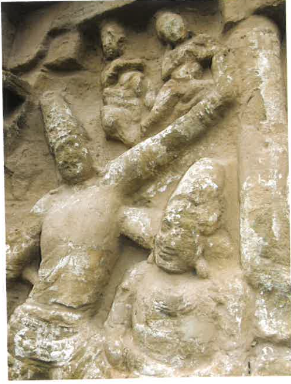
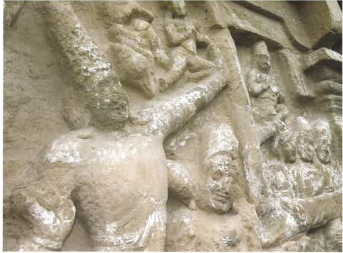
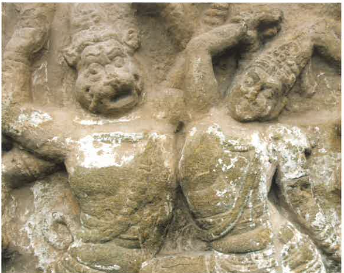
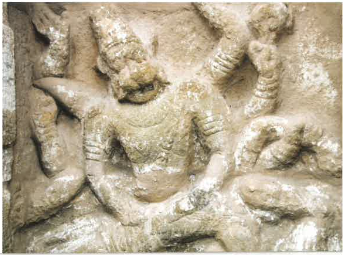
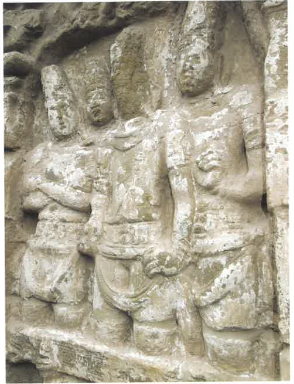
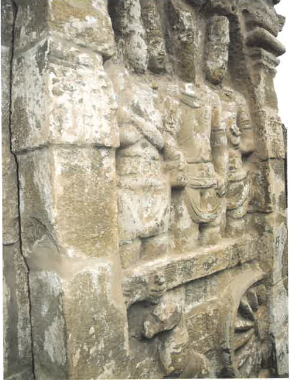
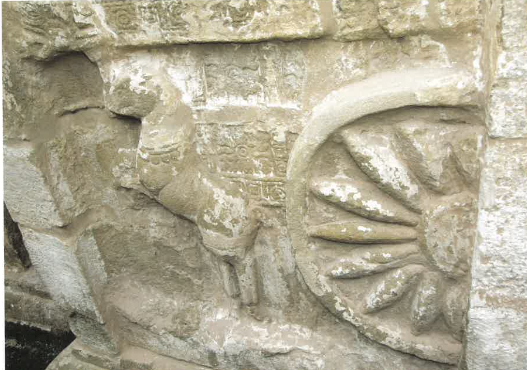
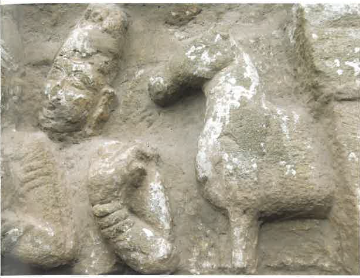
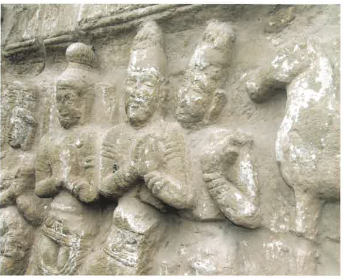
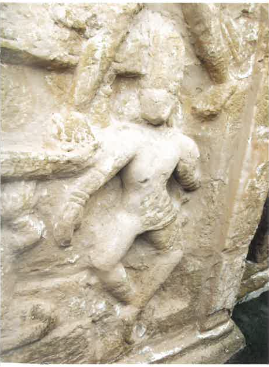
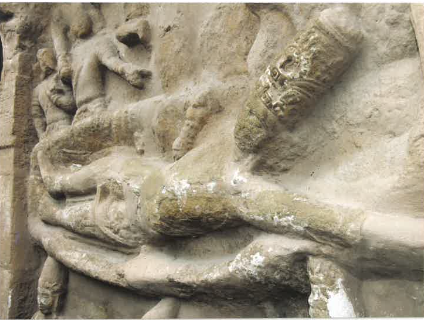
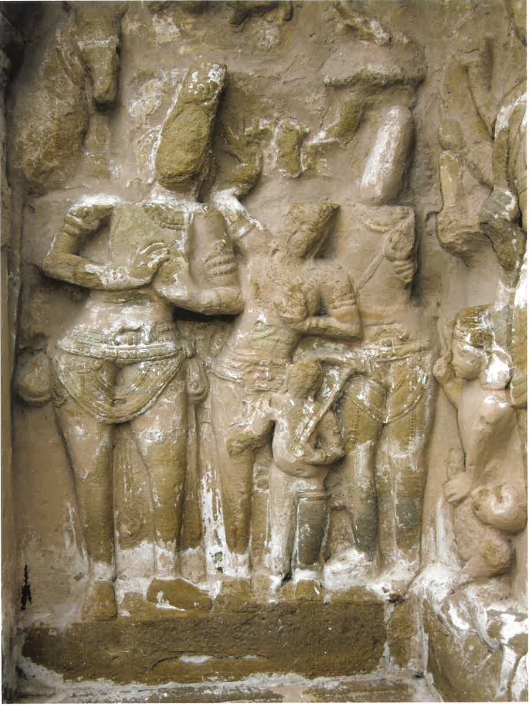
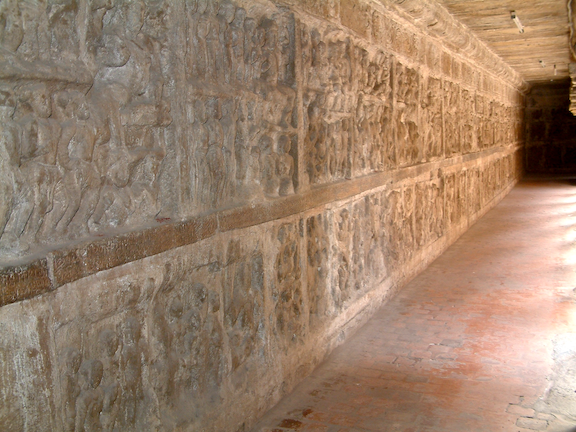
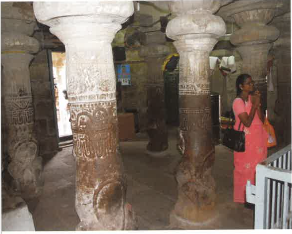
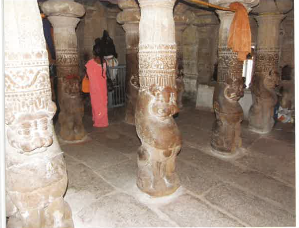
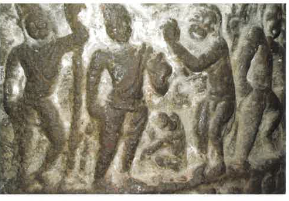
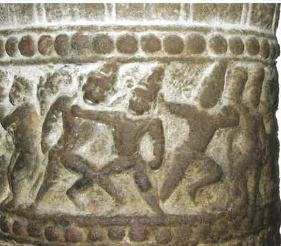
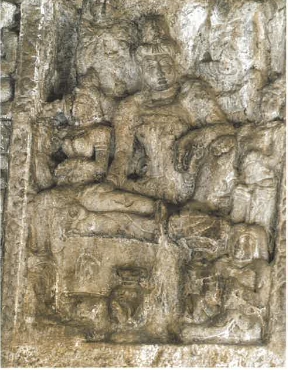
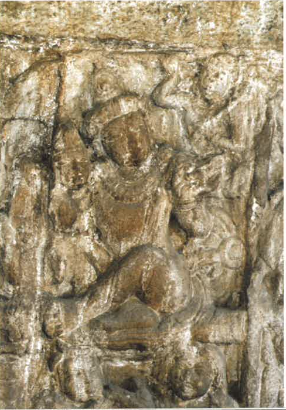
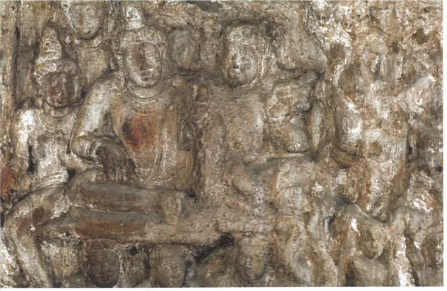
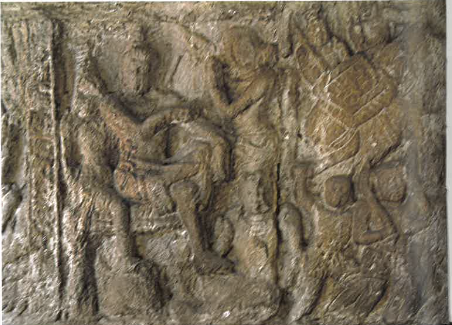
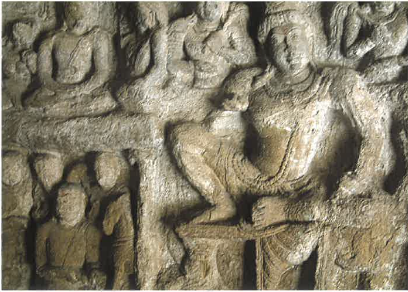
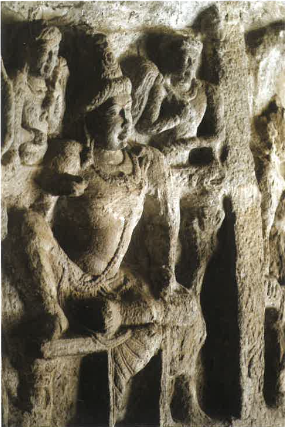
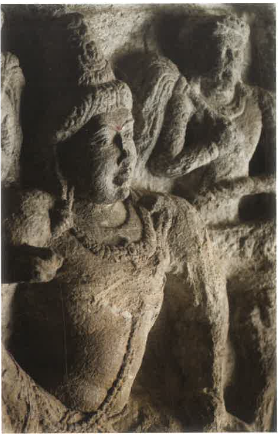
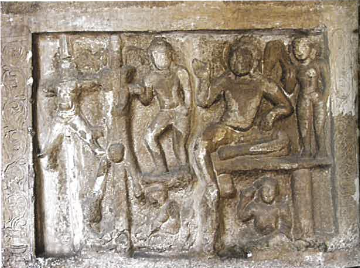
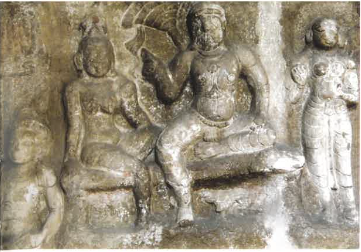
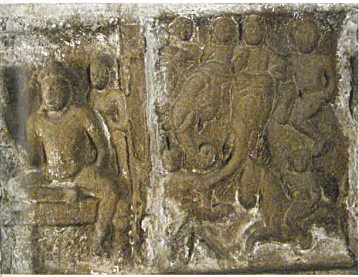
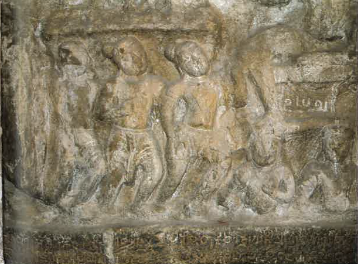
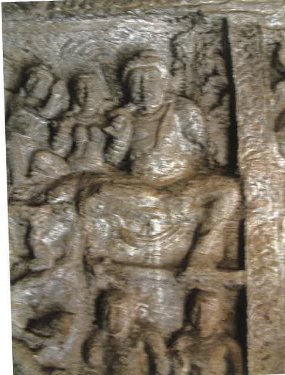
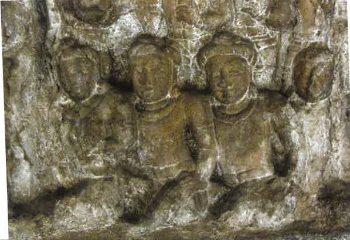
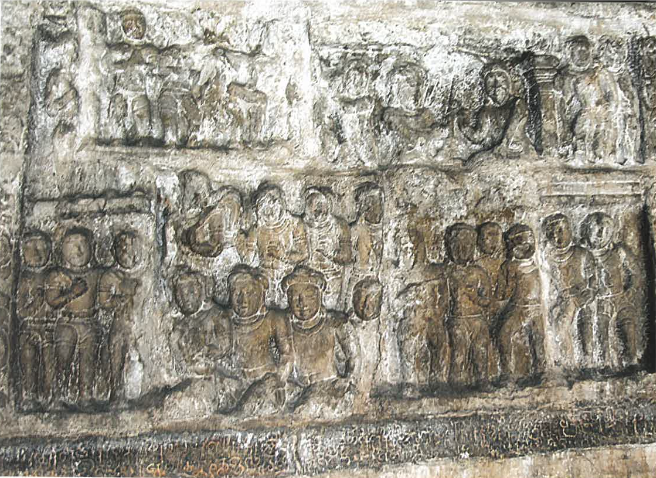
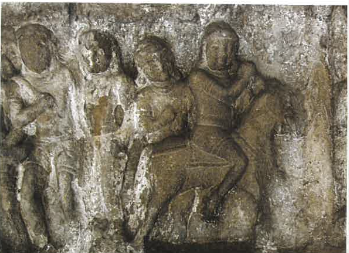
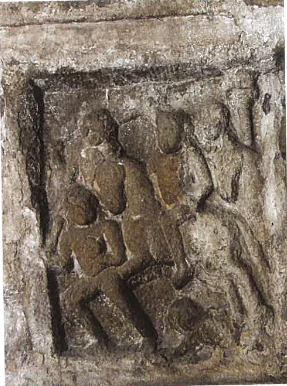
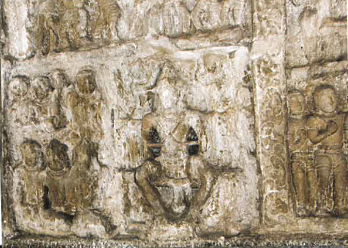
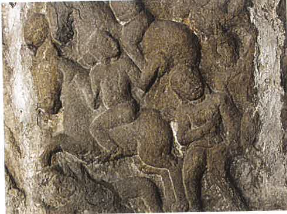
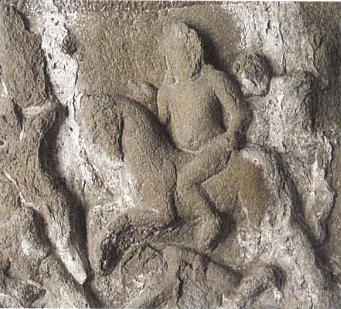
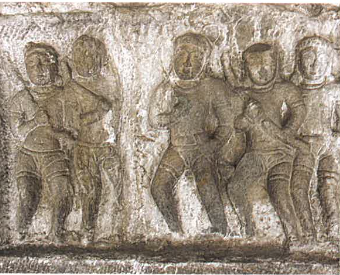
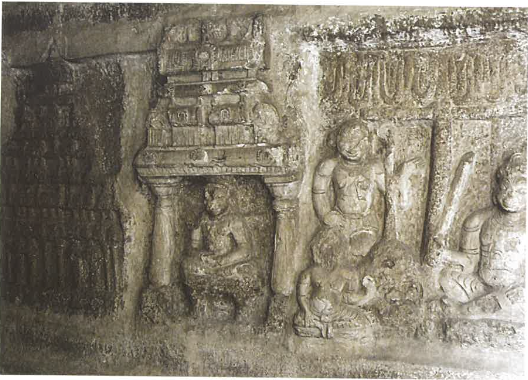
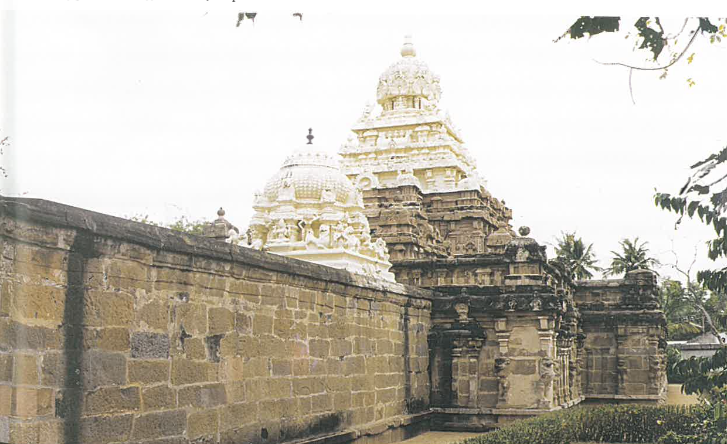
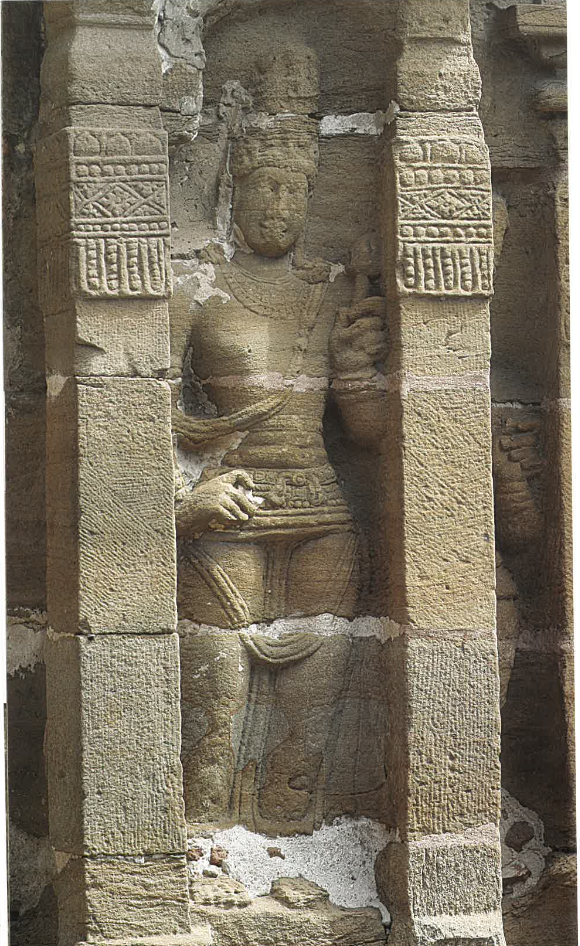
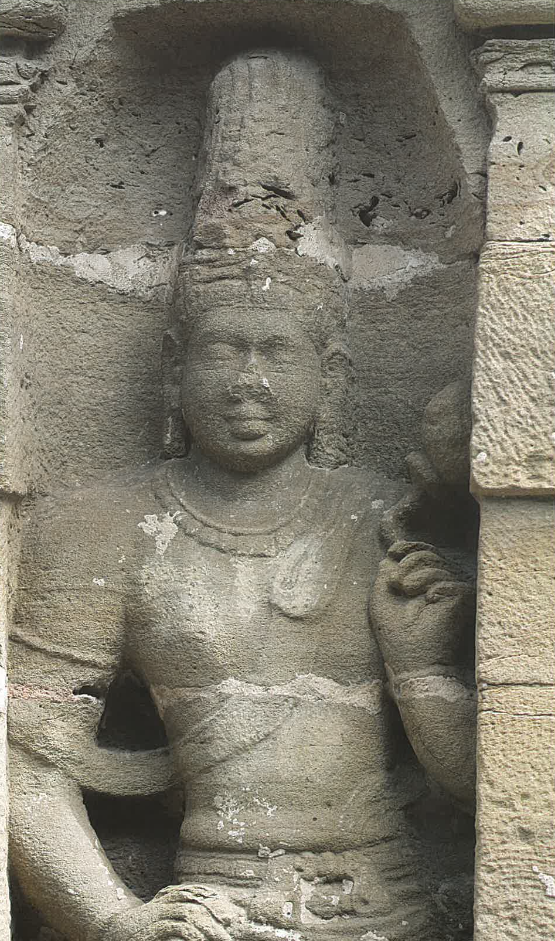
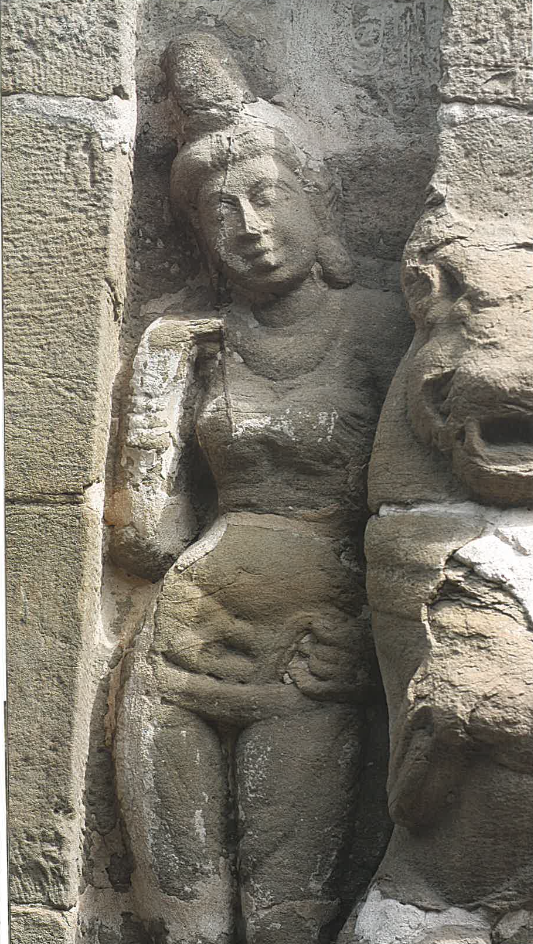
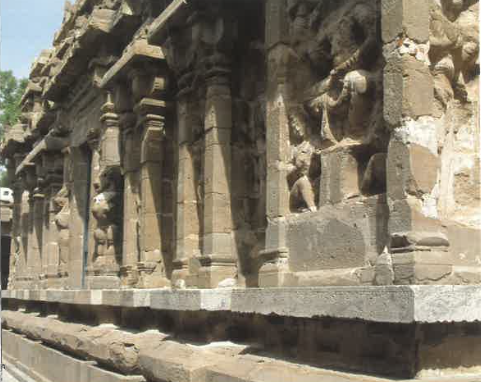
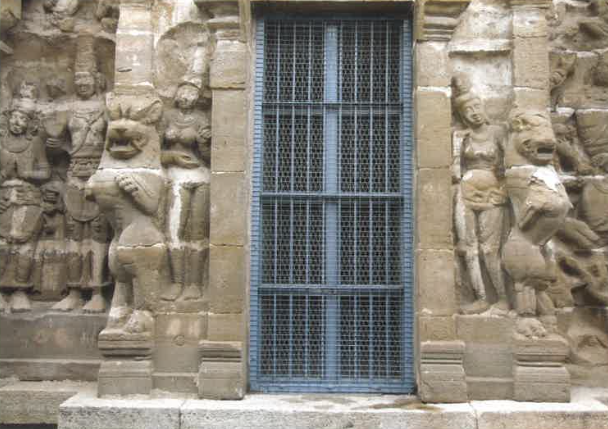
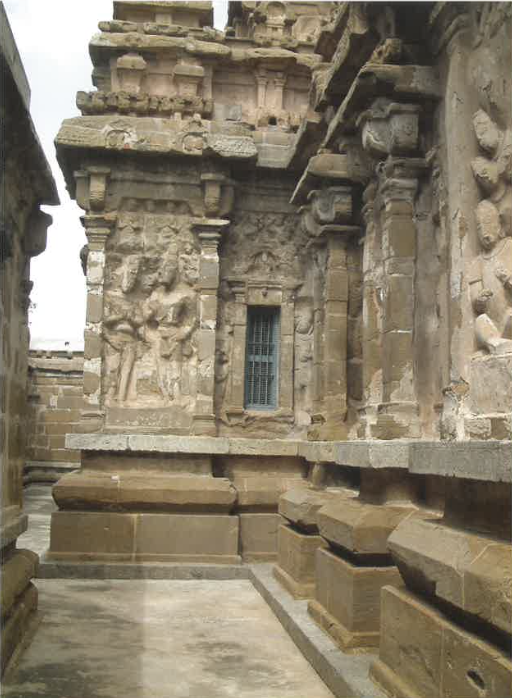
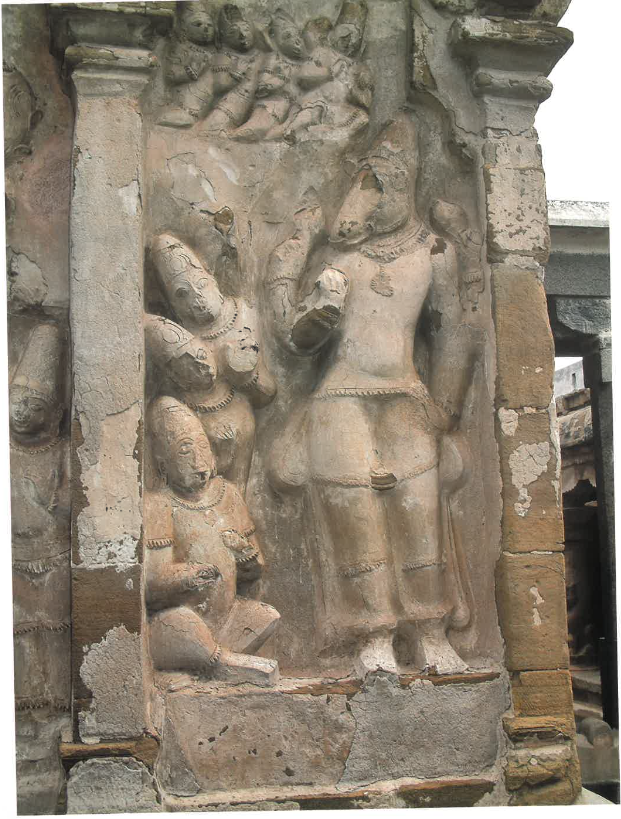
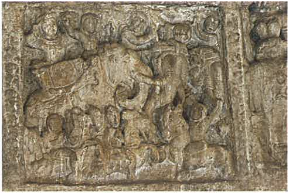
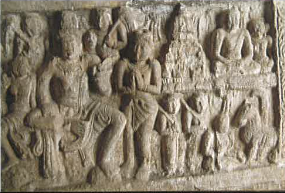
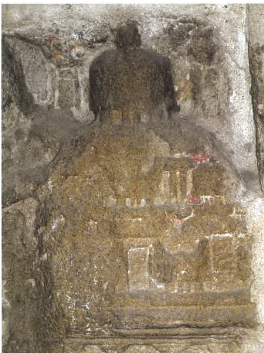
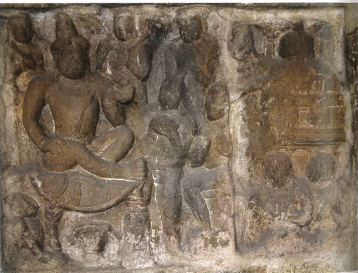
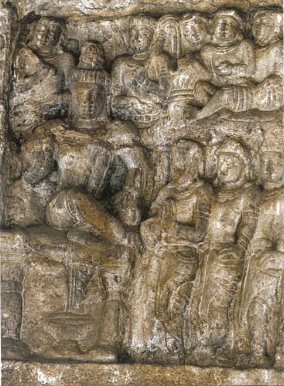
“We begin our examination of our figures with those on the west wall to the left side of the entrance from left to right in pradakshiṇā. There are two basic difficulties in identifying these panels. The first difficulty is to discover how the rows are related, for it is not easy at first sight to grasp clearly the continuity of the event represented in these panels. The second difficulty is that only a few of the sculptures bear inscriptions and therefore our interpretation of the rest will entirely depend upon our knowledge of the history of the Pallavas.”
First from the lotus which rose from the navel of Viṣṇu was born the creator whose origin is the Supreme Brahman who is self existent; who fully knows the origin of the meaning of the sacred texts and who is engagrd in creation of the whole world.
From him was born at the sacrifice a son of the mind alone, Āṅgiras who was more brilliant than Agni-fire. From Āṅgiras came Brahaspati who was an ocean of speeches and father of politics. From him was born the fortunate and modest Samyu. His son was Bharadvāja who became the founder of the gotra of the glorious Pallavas by the power of his virtues and who mastered the three Vedas which resemble mountains, From him came Droṇā, the preceptor of the Kurūs and Pāṇḍavas, and who was produced from a pitcher, who completely mastered the four branches of the science of archery, which resembles the four oceans. From him came the sage Asvatthāma, who was an incarnation of Śiva , and at the rising of whose anger, Kṛṣṇā, Arjuna and Bhīma became terrified”.
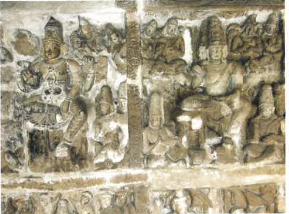
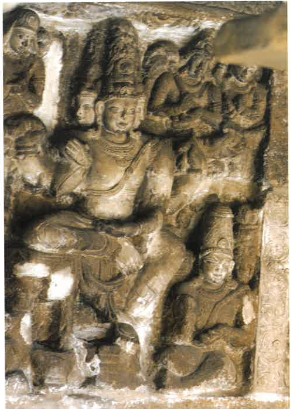
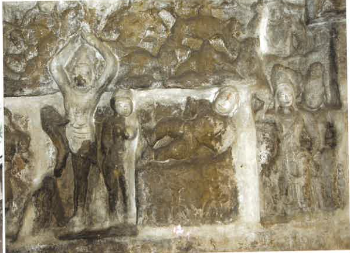
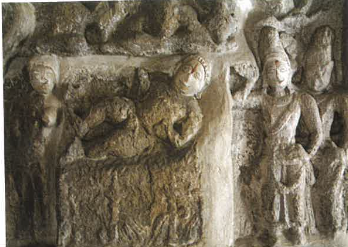
“From him descended the powerful spotless race of the Pallavas, which resembled a partial incarnauion of Viṣṇu as it displayed unbroken courage in conquering the circle of the world as it enforced the special rules of all the castes and orders and which resembled the descend of the Ganges as it purified the whole earth”.
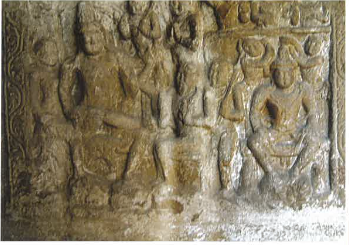
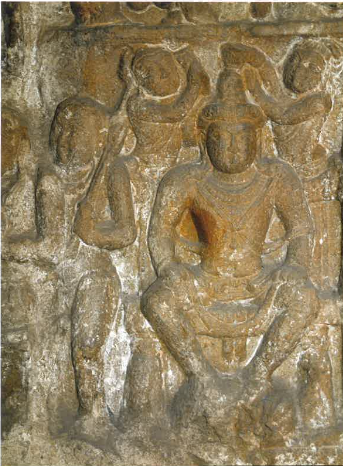
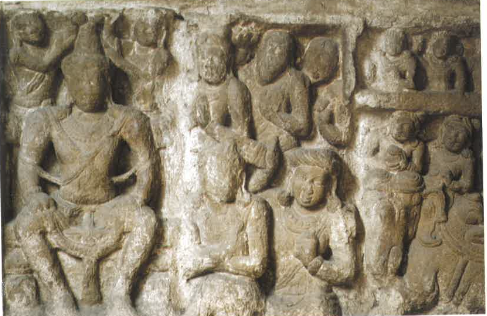
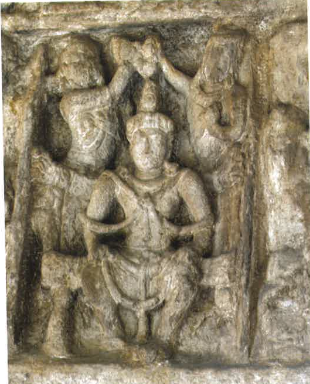
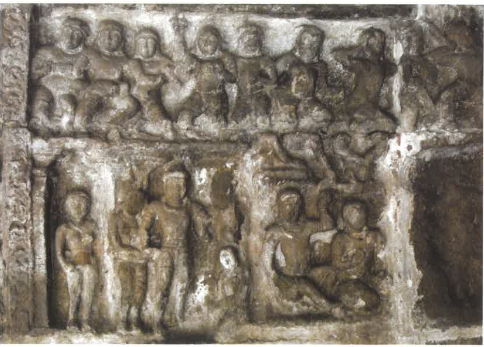
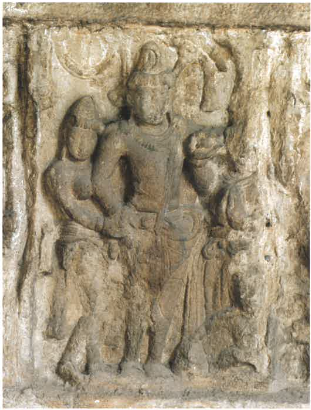
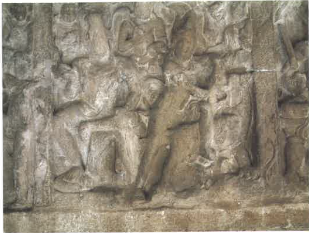
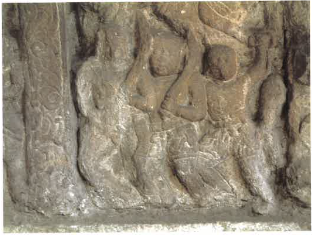
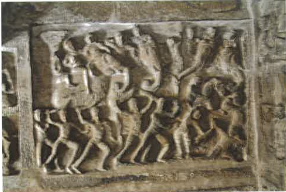
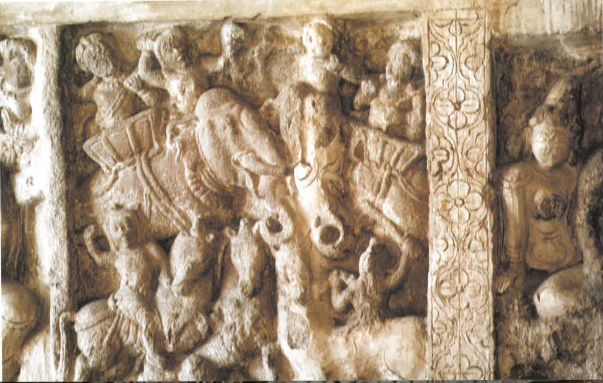
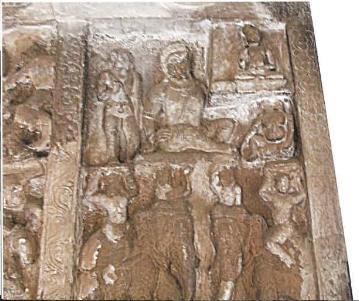
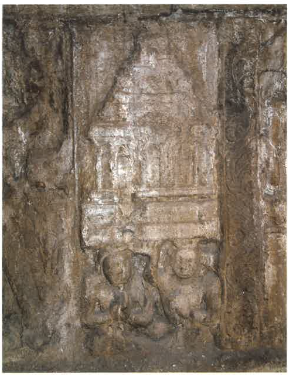
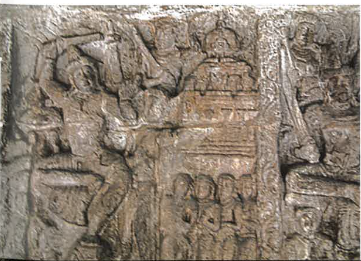
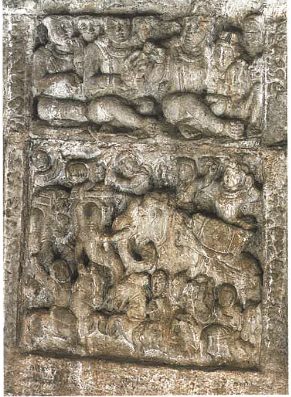
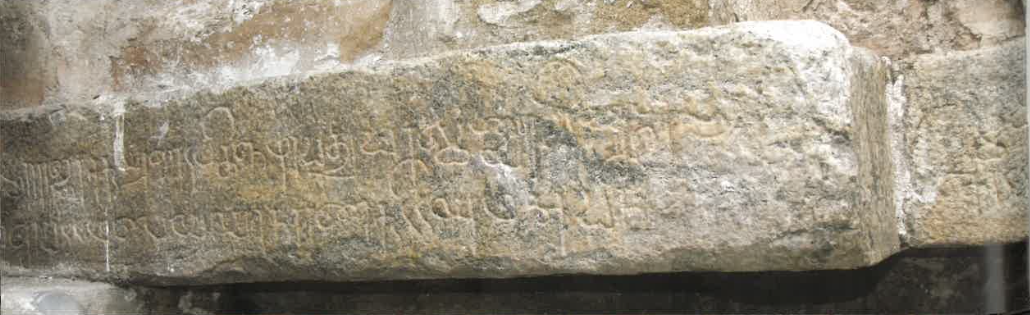
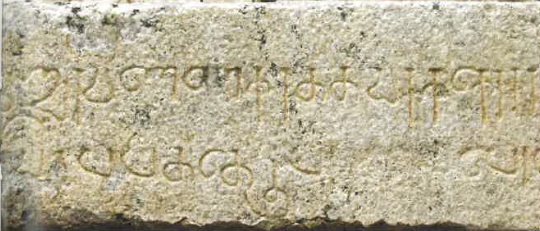
svasti śrī-ivvakaiye brahman ādiyāka vārāmiṉra pallava vamsattuḷ parameśvara pōttaeasar svargasthar āvatu – i.e., - In this manner Parameśvara Pōttarasar of the Pallava dynasty, died (attained heaven).